
Safety First: Gear and Tips for Comfortable Riding
Essential equipment, visibility strategies, and practical advice for staying comfortable during longer rides

Why Safety Matters on Every Ride
Comfortable cycling isn't just about feeling good — it's about being visible, protected, and confident on the road. We're not talking about heavy armor or expensive gear. It's simpler than that.
The right equipment keeps you visible to drivers. Proper pacing prevents fatigue. And knowing what to expect from weather means you're never caught off-guard. These aren't complicated things, but they make a real difference.
The Core Safety Trio
- Visibility: lights, reflectives, bright clothing
- Protection: helmet, padded shorts, gloves
- Comfort: proper positioning, breaks, hydration
The Essentials: What You Actually Need
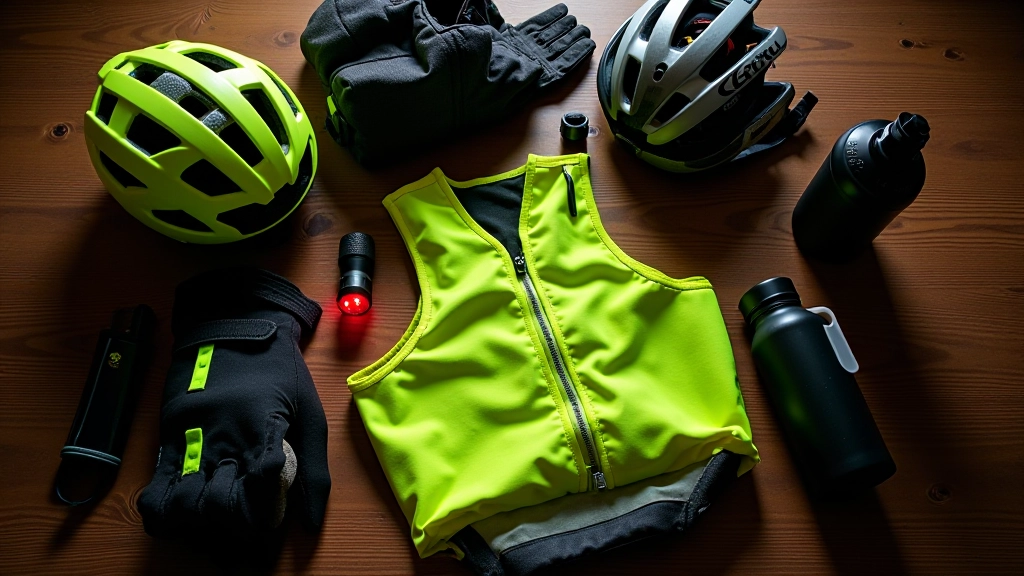
A good helmet is non-negotiable. Not the fanciest one, just one that fits properly and feels comfortable enough you'll actually wear it every time. Look for ones with good ventilation — you'll wear it longer on warmer days if you're not overheating.
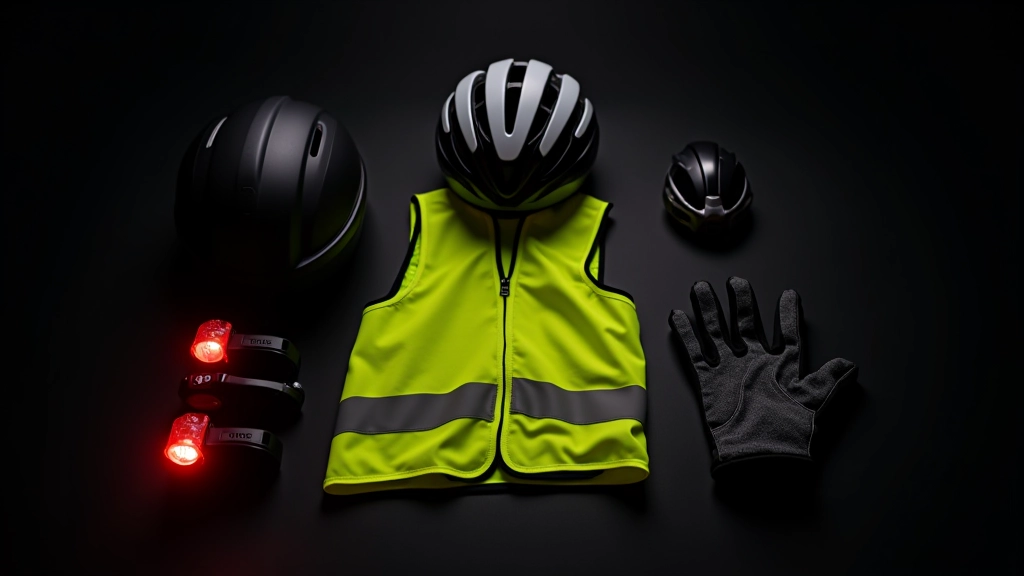
Front and rear lights aren't optional either. A basic LED set costs under €30 and dramatically improves visibility in low light. Morning rides and evening returns are when most incidents happen, so these lights are working when you need them most. Battery-powered or rechargeable — either works, but rechargeable saves money over time.
Reflective vests or strips are underrated. You don't need to look like a construction worker, but a simple high-visibility vest worn over your regular clothes takes 5 seconds to put on and makes drivers spot you from much further away. Especially useful on cloudy days or in traffic.
Comfort on Longer Rides
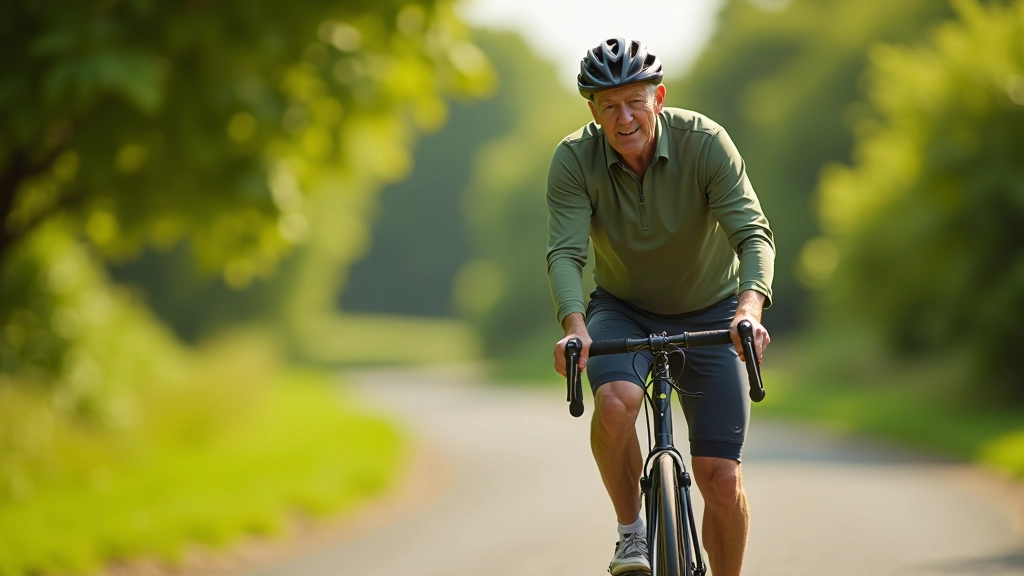
Padded shorts or chamois make a real difference if you're riding for more than an hour. Your sit bones will thank you. They're not expensive and they'll transform how you feel after a 20km route.
Gloves serve double duty — they protect your hands if you fall, and they reduce vibration from the road. Most cyclists wear them even in warm weather. Gel-padded options are worth it if you have any wrist sensitivity.
Don't overlook proper bike fit. If your seat's too high or too low, your knees will hurt within an hour. Same with handlebar height — you want to feel supported, not hunched over. A local bike shop can adjust this in 10 minutes.
Preparing for Weather Changes
Ireland's weather is unpredictable, so layering is your friend. A base layer that wicks moisture away from your skin, a middle insulating layer, and a windproof jacket you can pack away — that's the formula. You can shed layers as you warm up during the ride.
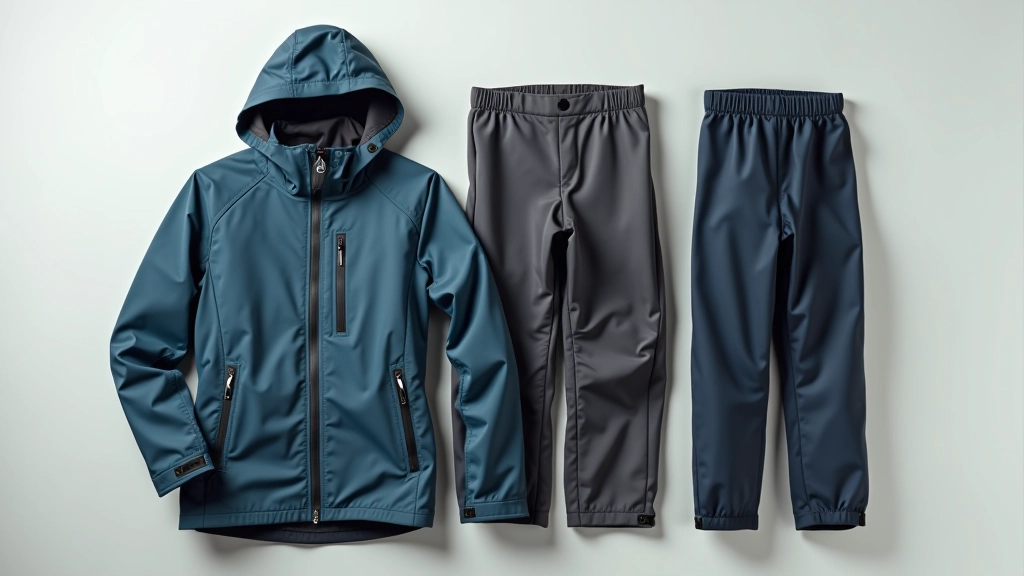
Waterproof jacket and pants aren't luxuries — they're essentials. A sudden shower shouldn't end your ride. Quality rain gear that breathes means you won't overheat and get soggy from inside. Test it before you need it.
Feet get cold fast on a bike. Merino wool socks or thermal cycling socks make a difference. And don't underestimate a simple cap or headband under your helmet on cold mornings — it keeps wind off your ears and regulates temperature.
Staying Visible and Predictable
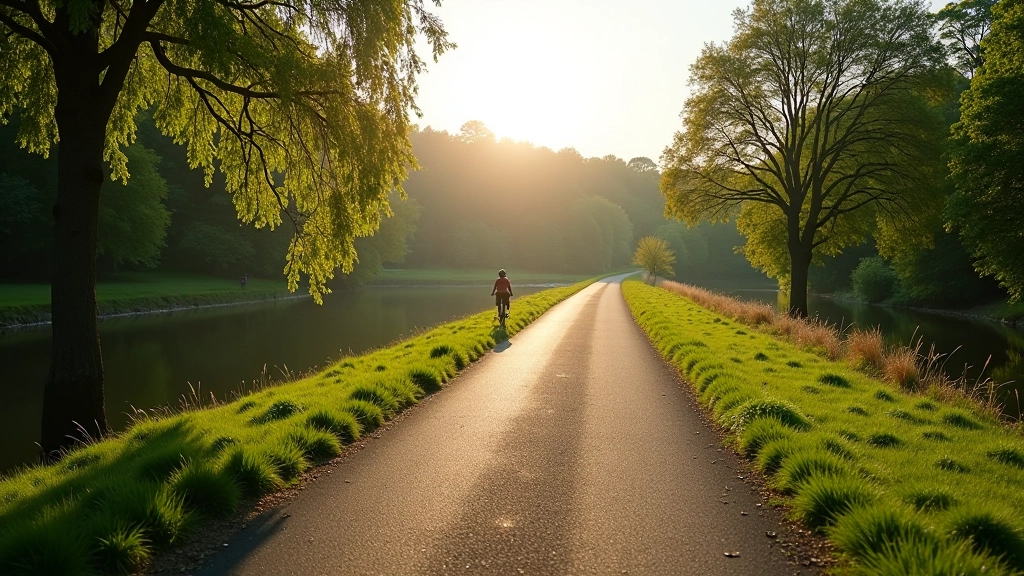
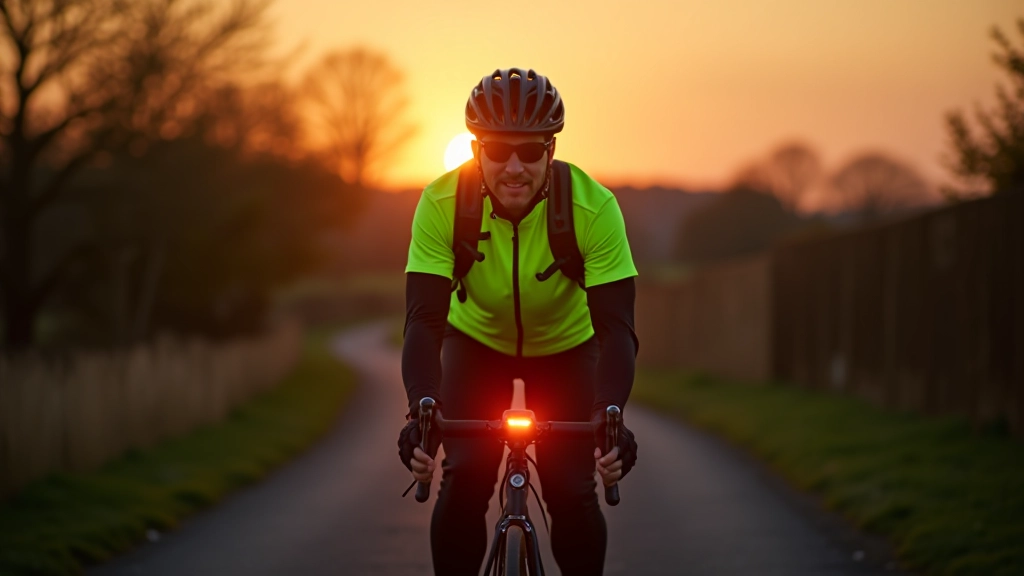
Bright colors work, but reflective materials are what drivers actually notice. A white helmet, bright yellow or orange jacket, and reflective ankle straps — these catch headlights from a distance. On the Leixlip Dam Path and Rye Water Valley routes, you'll see other cyclists in bright gear from half a kilometer away.
Lights aren't just for darkness. Use them anytime visibility is questionable — overcast mornings, evening rides, even rainy afternoons. Modern LED lights are bright enough to be seen in daylight, and they last for hours on a single charge.
Hand signals matter too. A clear hand signal before turning or stopping tells drivers and other cyclists what you're doing. It's a simple thing, but predictability prevents accidents. Most incidents happen when a driver doesn't expect the cyclist's next move.
Smart Pacing and Break Strategy
You don't need to hammer out 25km without stopping. Most comfortable rides include regular breaks — every 10-15km is reasonable. A 5-minute stop to stretch, drink water, and catch your breath keeps fatigue from building up.
Dehydration sneaks up on you. Bring more water than you think you'll need. A small snack — a banana, energy bar, or even a couple of biscuits — prevents the energy crash that makes the last few kilometers feel miserable. The Leixlip Dam Path and Rye Water Valley routes have benches where you can rest properly.
Start routes that feel slightly easier than your maximum ability. You'll finish feeling good instead of exhausted, which means you'll want to ride again soon. Building endurance takes weeks, not days.
Pre-Ride Checklist
- Helmet fastened properly
- Lights working (test them)
- Water bottle full
- Phone charged
- Tire pressure checked
- Brakes responsive
Explore Related Routes and Tips
Important Information
This article provides general guidance about cycling safety and comfort. Everyone's physical condition is different, and what works for one person may not work for another. Before undertaking longer rides or new routes, consider your own fitness level and any existing health conditions. If you have concerns about starting a cycling routine, consult with a healthcare provider or physical therapist. Road conditions, weather, and traffic vary — always stay alert and adjust your riding to current conditions. Wear a helmet every time, and follow local traffic rules wherever you ride.
Ready to Ride with Confidence
Safety doesn't require expensive gear or complicated systems. It's about being visible, protected from the elements, and riding at a pace that feels good. A decent helmet, some lights, weather-appropriate clothing, and a realistic pacing strategy — that's the foundation.
Start with these basics and you'll find cycling is genuinely enjoyable. The routes around Leixlip and the Rye Water Valley are made for this kind of riding — comfortable, scenic, and accessible. You've got the knowledge now. The only thing left is to get out there and ride.