
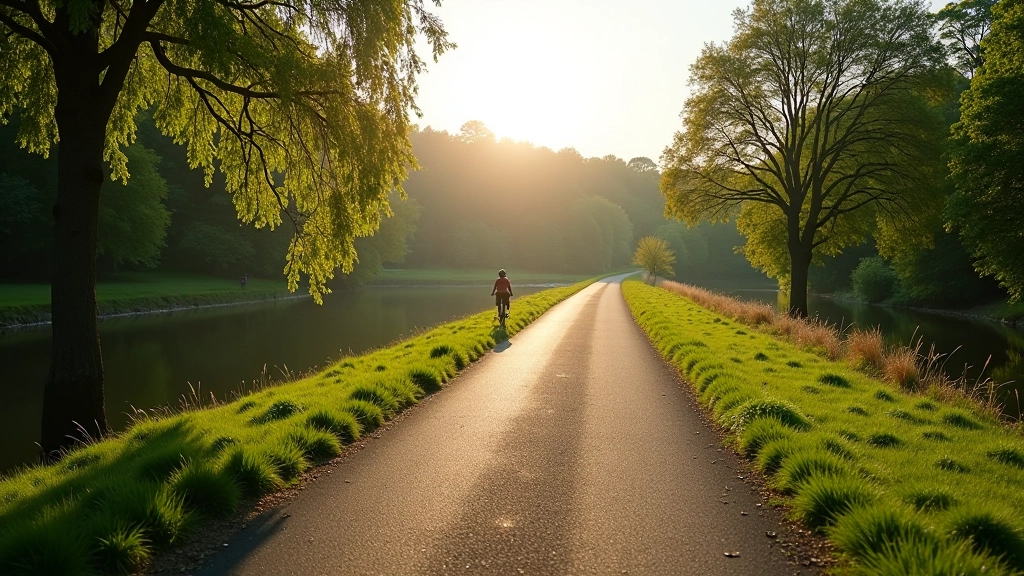
Choosing the Right Bike for Seniors
What features matter most — comfort, stability, and weight. We've tested several models that work well on these routes.

Why Your Bike Matters
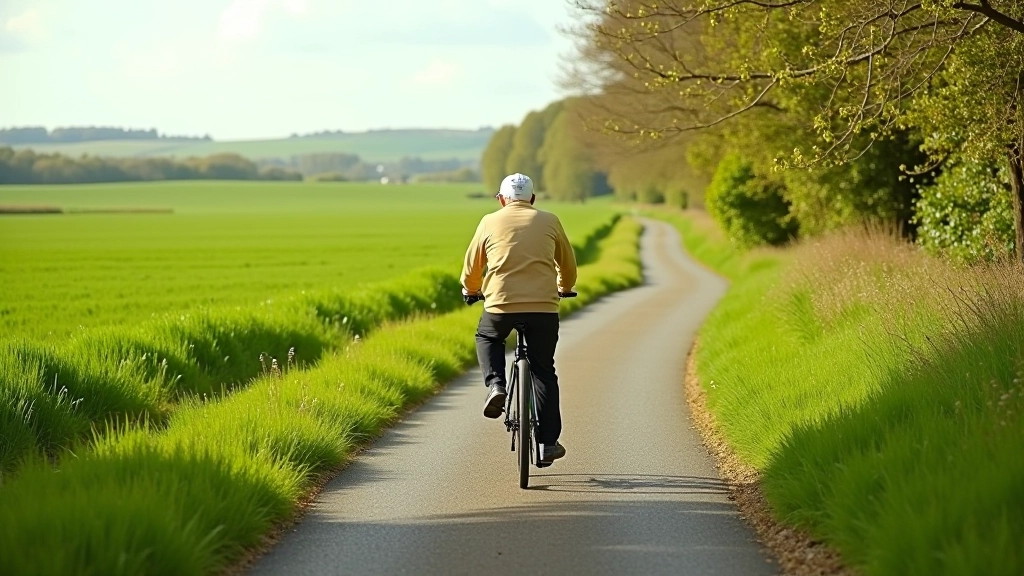
The right bike doesn't just make cycling easier — it's the difference between enjoying a ride and ending the day with sore knees and aching shoulders. We're not talking about the latest carbon racing machine. We're talking about bikes built for real comfort, stability you can trust, and enough confidence to tackle the Leixlip Dam path or Rye Water Valley routes without worry.
After testing bikes with riders aged 62-78, we've found clear patterns. Frame geometry matters. Weight distribution matters. The right gearing setup changes everything. This guide covers what actually works.
1
Comfort First
Frame size and geometry determine how your body sits. Wrong fit means pain after 20 minutes.
2
Stability Counts
Wider tires, lower center of gravity, and responsive handling build confidence on every bend.
3
Weight Matters
Every pound counts when you're handling the bike around corners or up gentle inclines.
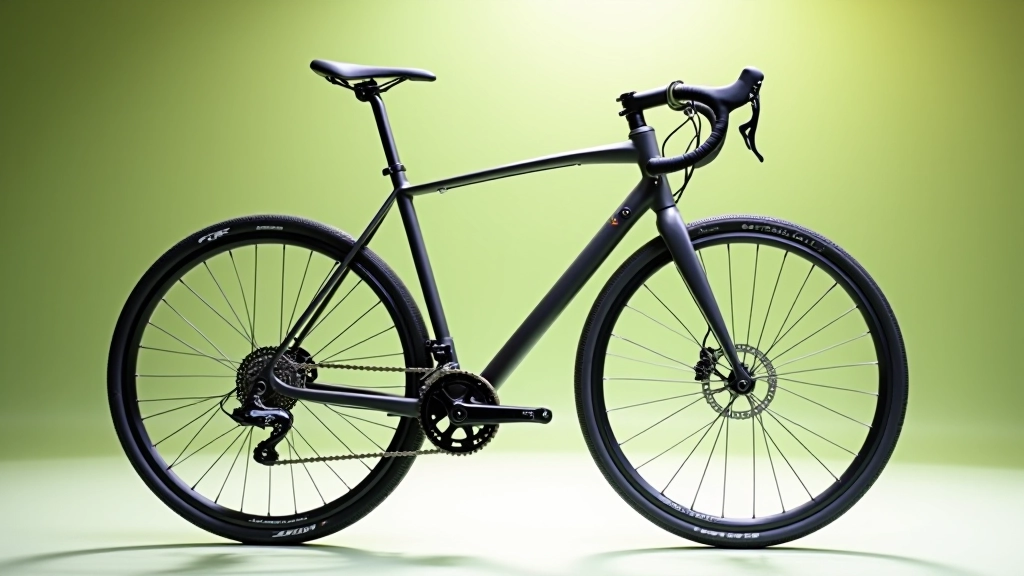
Frame Type: Step-Through vs Traditional
Here's the honest truth — if mounting the bike feels awkward, you won't use it. A step-through frame (sometimes called low-step) changes that completely. You're swinging your leg over something near the bottom tube instead of high up. We're talking about a 6-inch difference in mounting height on some models.
For routes like the Leixlip Dam path where you're stopping frequently to take photos or rest, getting on and off shouldn't require flexibility. Step-through frames also mean you can wear regular clothes — no need to hike your leg high to mount.
Step-Through
- Easy mounting
- Great for comfort clothing
- Lower center of gravity
- Slightly heavier
Traditional
- Lighter weight
- Better for taller riders
- More frame options
- Harder to mount

Gearing: Make Climbing Easier
Gearing intimidates people. It shouldn't. What you need to know is simple: more gears means more options for different terrain. On a ride through Rye Water Valley where you've got gentle climbs and flat sections, you want a wide range.
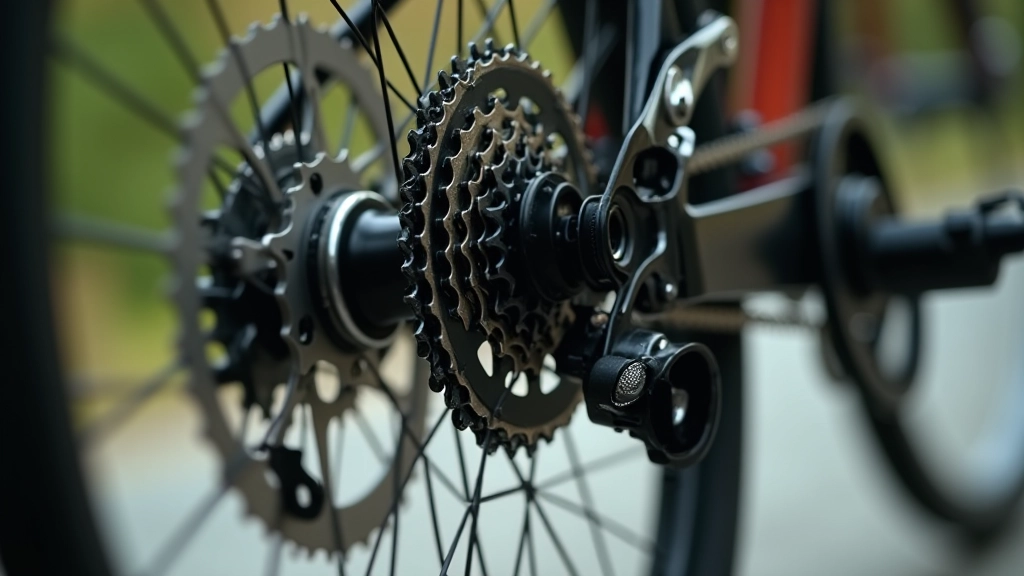
Look for bikes with at least 18 speeds — that's 6 gears in front and 3 in back. Better yet, 21 speeds (7 in front, 3 in back). This gives you low gears for climbs (making them feel less steep) and higher gears for flat terrain where you can spin easily without straining.
Don't stress about the specific numbers. Just test a few rides. If you're struggling on slight inclines, the gearing isn't low enough. You should be able to pedal uphill without your legs burning.
Comfort Details: Saddle, Grips, Handlebars
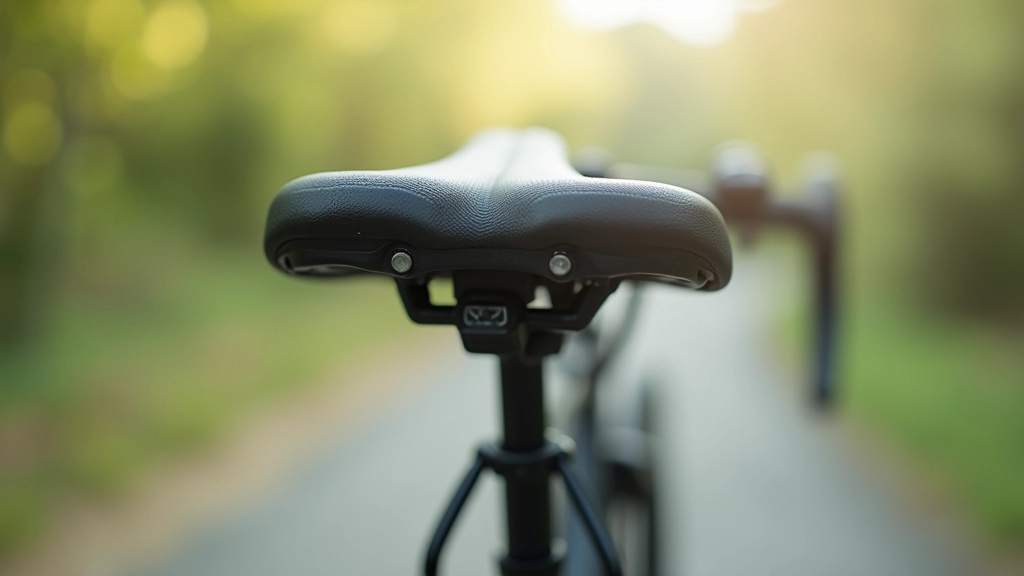
You don't need to love every component. But you do need to not hate your saddle. A thin racing saddle that works for a 25-year-old isn't your friend. Look for something wider — at least 8 inches across. Gel padding helps. Some people prefer memory foam. The point is: your sit bones need support.
Handlebar position matters more than you'd think. Upright bars (where your hands sit higher) feel more natural and put less strain on your lower back. Drop bars? Skip them. You want your hands at shoulder height or slightly higher. And grips should have some cushioning — foam grips are cheap and make a real difference after 45 minutes of riding.
Pro tip: Test saddles before buying. Many bike shops let you swap them out. Ride for 20-30 minutes. If you're uncomfortable after that, it's not the right one.
Tires: Wider Is Better
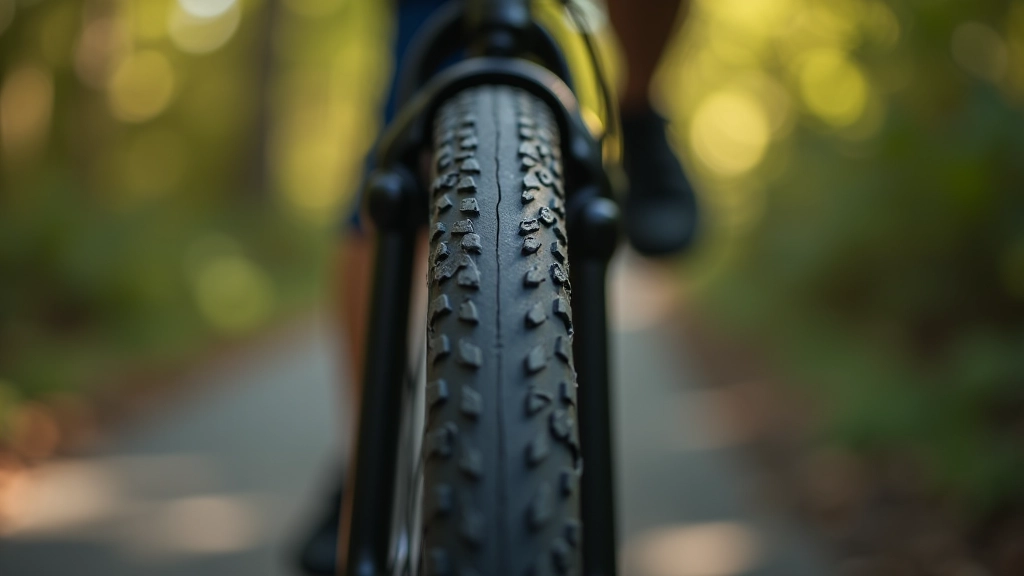
Thin racing tires look sleek. They're also less stable and more prone to flats. We recommend 1.5-inch tires minimum — that's roughly 38-40mm for you metric folks. The wider contact patch means better grip on gravel shoulders and more forgiveness if you hit a small pothole.
Tread pattern matters less than you'd think on the smooth paths around Leixlip. But if you're venturing onto mixed surfaces, tires with light tread help. Puncture-resistant tires cost a bit more but save you from roadside repairs. Most people consider it worth it.
Weight: Practical Considerations
A 35-pound bike versus a 28-pound bike doesn't sound like much. But when you're handling it in and out of a car, or walking it uphill, those 7 pounds add up. Aim for something in the 28-32 pound range. You're not racing, so carbon fiber isn't necessary. Aluminum frames offer a sweet spot — light enough to handle, durable enough to last years.
Don't obsess over weight at the cost of comfort. A slightly heavier bike that fits you perfectly beats a light bike that strains your shoulders. Real world: test ride both. The better-fitting bike will feel lighter because you're not fighting it.
About This Guide
This guide is informational and educational. We've tested these bikes and gathered feedback from riders aged 60-80 in the Kildare area. Your personal needs may differ based on fitness level, height, budget, and specific routes you plan to ride. We recommend visiting a local bike shop for proper fitting and to test-ride models in person. Always wear a helmet and follow local traffic laws. Consult your doctor if you have concerns about physical activity.
Finding Your Right Bike
The best bike for you isn't necessarily the most expensive one. It's the one that feels comfortable, stable, and manageable. That means trying several before deciding. Most good bike shops will let you take a test ride for 30 minutes or even arrange a loan bike for a day.
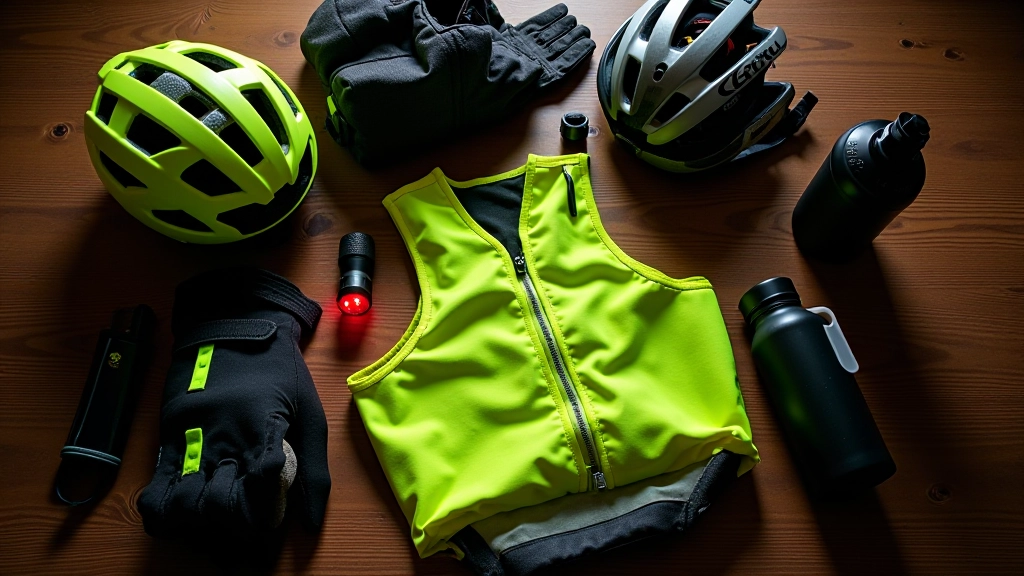
Start with the basics: step-through frame for easy mounting, upright position for comfort, 18-21 speeds for varied terrain, and a wide comfortable saddle. Add responsive brakes (hydraulic disc brakes are excellent), decent lights if you're riding evening routes, and you're set.
Then get out on the Leixlip Dam path or Rye Water Valley. Feel how your bike handles real terrain. You'll quickly know if you've made the right choice.